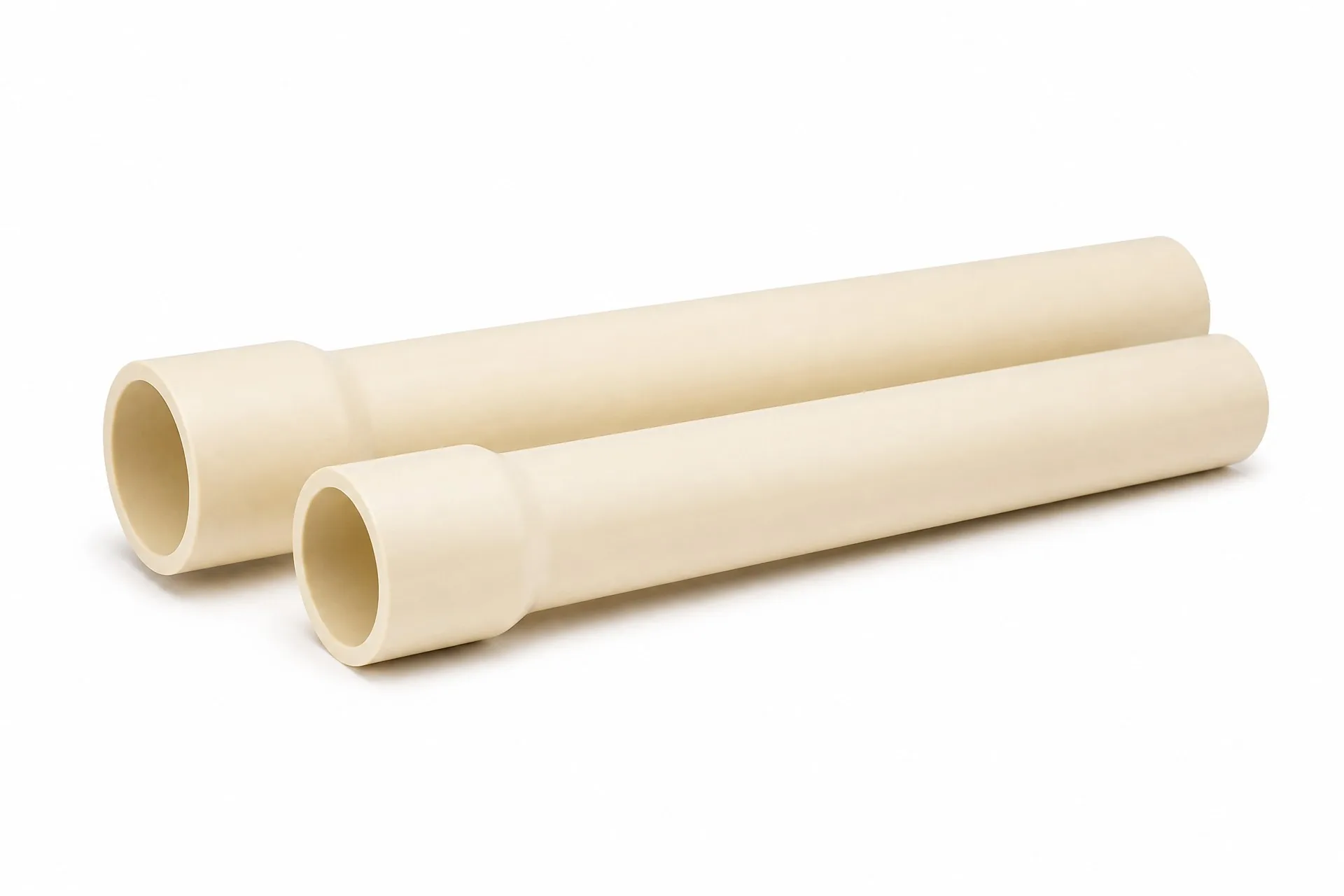
UPVC Water Supply Pipe
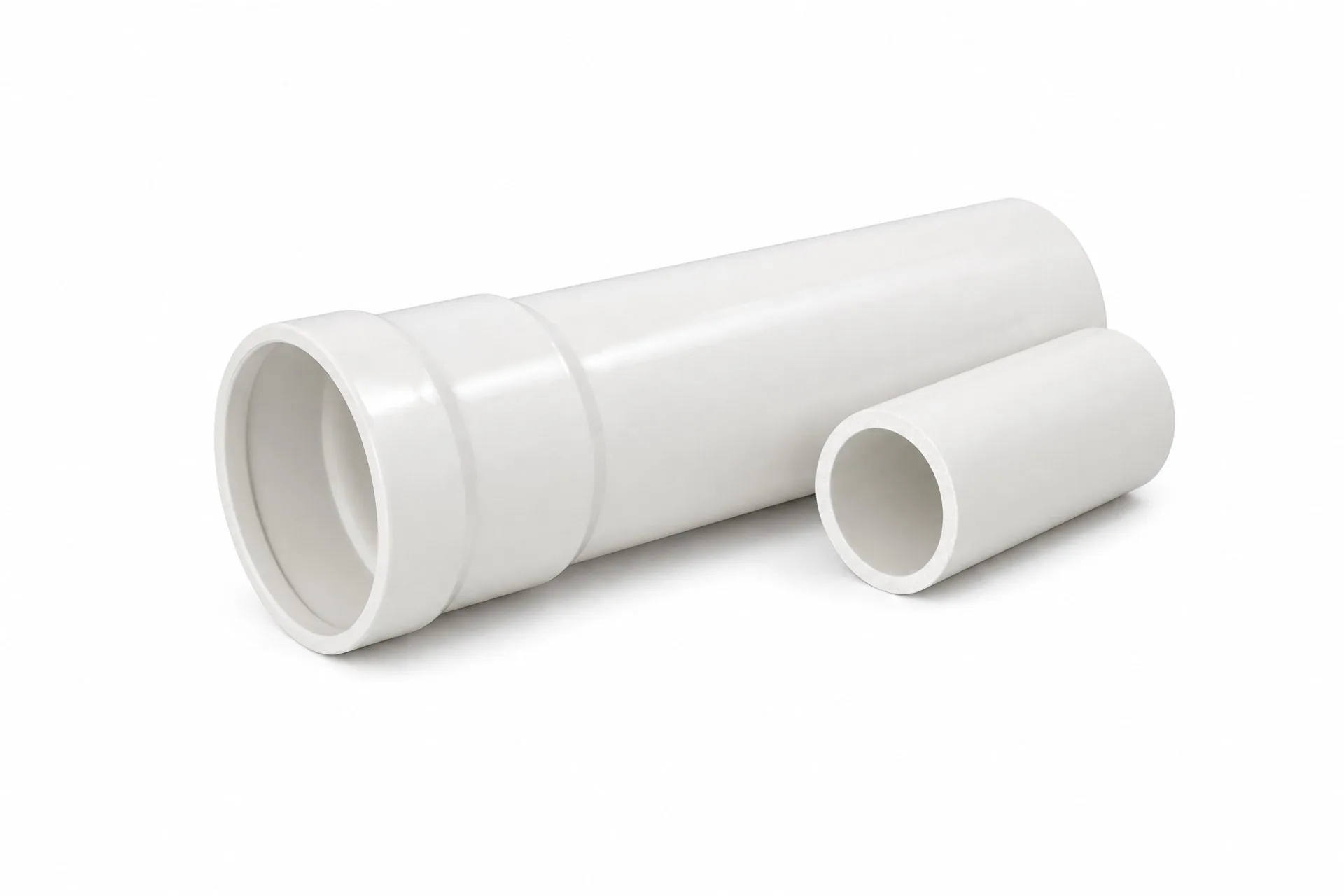
Rigid uPVC pressure pipe for potable water, irrigation mains and building services. Solvent-weld sockets, 4 m and 6 m lengths, PN10 and PN16 classes.
Tell us the size and quantity — price, lead time and loading plan back in one working day
Dial in the pressure class first, then the diameter. If you are unsure, send the working pressure and we will recommend the SDR.
Pick the class by working pressure, not by habit
uPVC is rigid, so the wall thickness — not the diameter — sets what the line holds. Both classes below are made with the same resin; only the wall changes.
| Class | Typical service | Note |
|---|---|---|
| PN10 | Irrigation mains, gravity transfer, low-head distribution | Most common export class for agriculture |
| PN16 | Pressurised potable mains, pump discharge, building risers | Use where surge is present |
| SCH40 / SCH80 | North American specification work | Same product, imperial designation |
Wall thickness tables per class are issued with the quotation; they differ between ISO 1452 and ASTM D1785, so state which standard your market requires.
Why uPVC still wins on cost
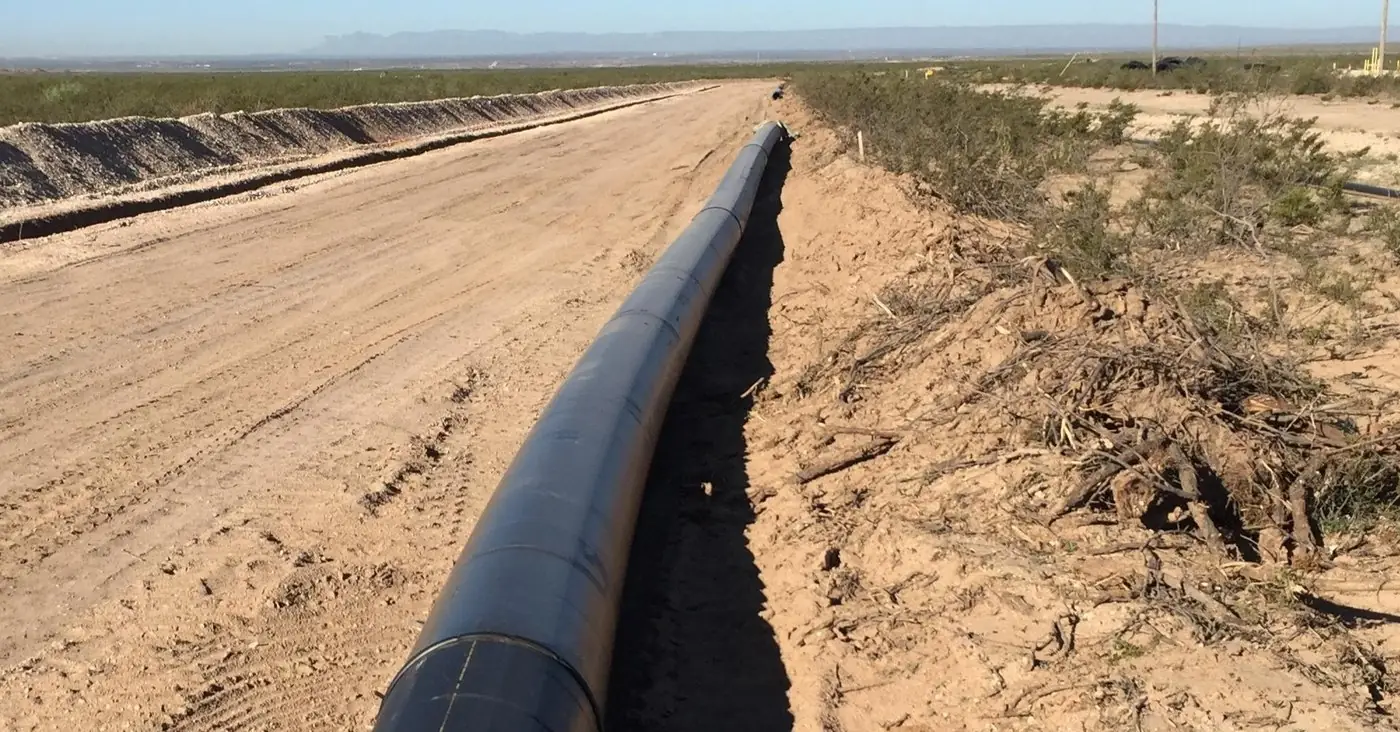
For buried cold-water lines the material cost per metre is lower than PE at the same pressure, and solvent welding is fast on site without a fusion machine. The trade-off is brittleness: uPVC needs proper bedding and no sharp bends.
Where we would not use it
- Above-ground runs exposed to impact or UV without painting
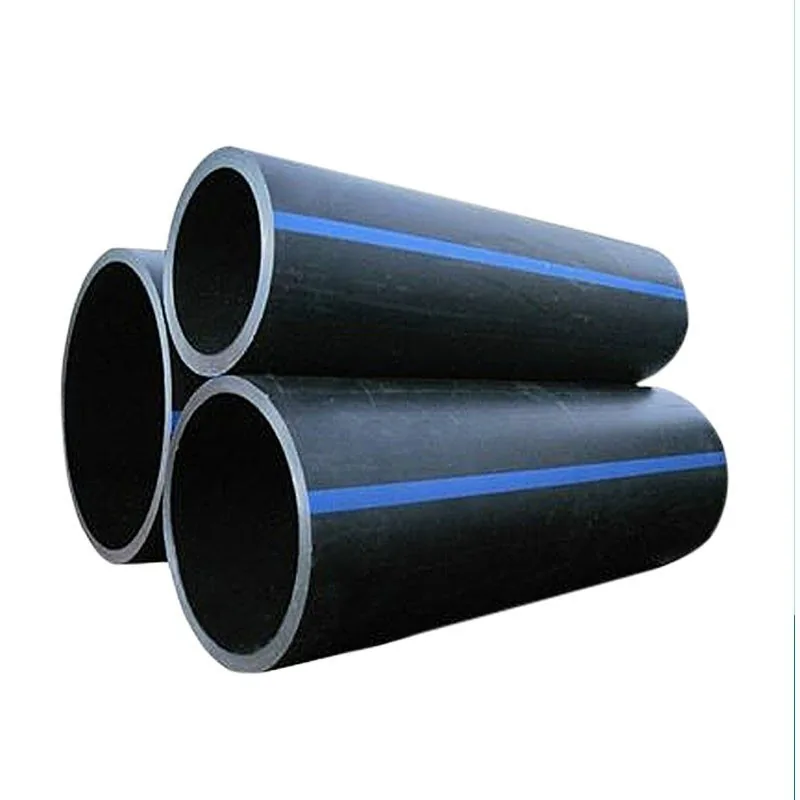
- Lines subject to water hammer — specify PN16 or move to PE
- Hot water above 45 °C — that is CPVC territory
- Ground movement or mine subsidence — use PE instead
Send the working pressure and the run length
Tell us the standard your market requires — ISO 1452 or ASTM D1785 — and we quote the matching wall.
Questions on this product
Solvent weld or rubber ring?
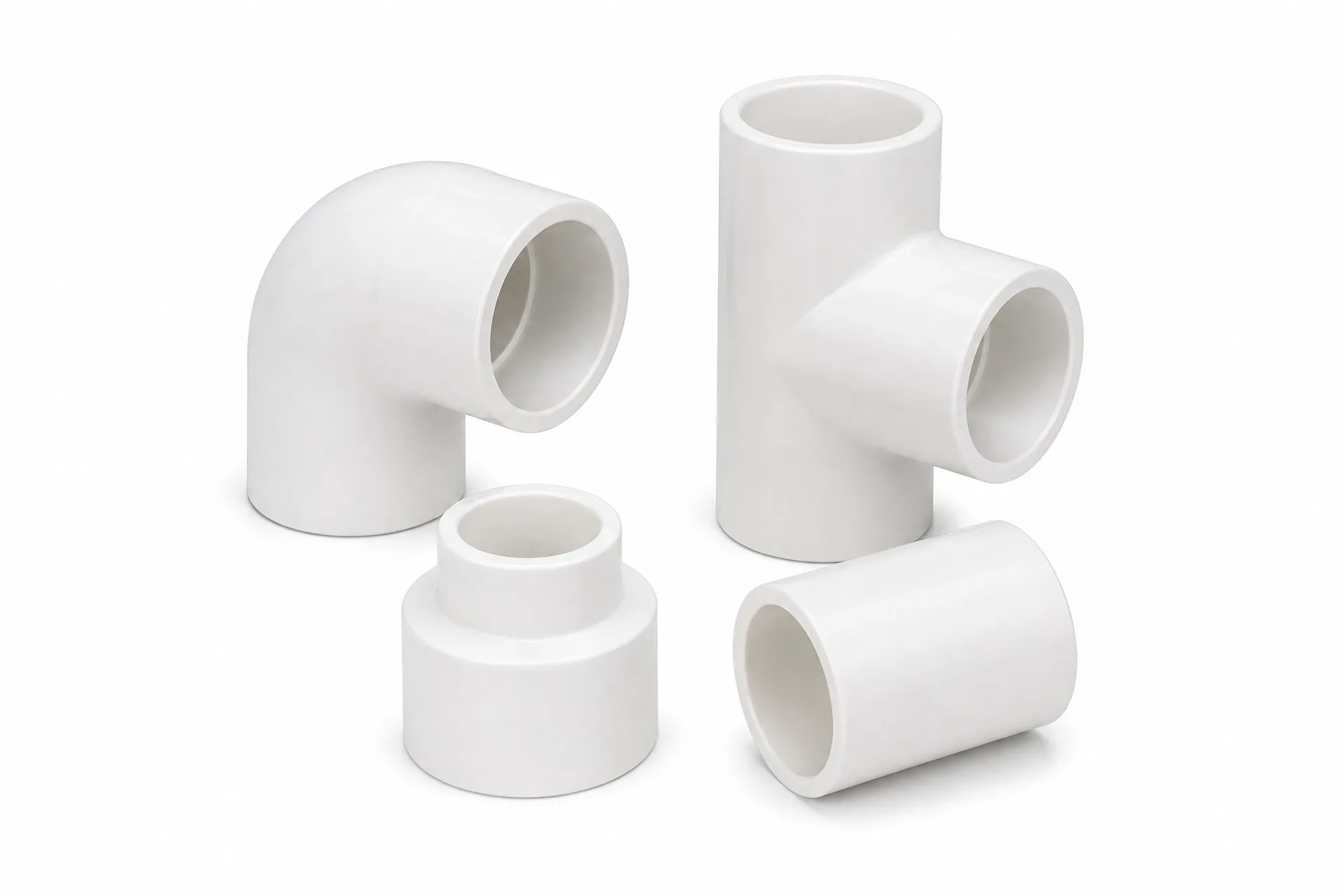
Solvent weld is standard for pressure lines; rubber-ring sockets are available for larger diameters where site conditions make cementing unreliable.
Is it suitable for drinking water?
The compound is lead-free and made for potable service; ask for the WRAS or local hygiene certificate for your market.
Can I mix classes in one line?
Yes at fittings, but keep the lower class as the limit for the whole run — the weakest section governs.
What is the MOQ?
Confirmed on quotation — typically one 20 ft container mixed with fittings.]