Steel Wire Mesh Reinforced PE Pipe
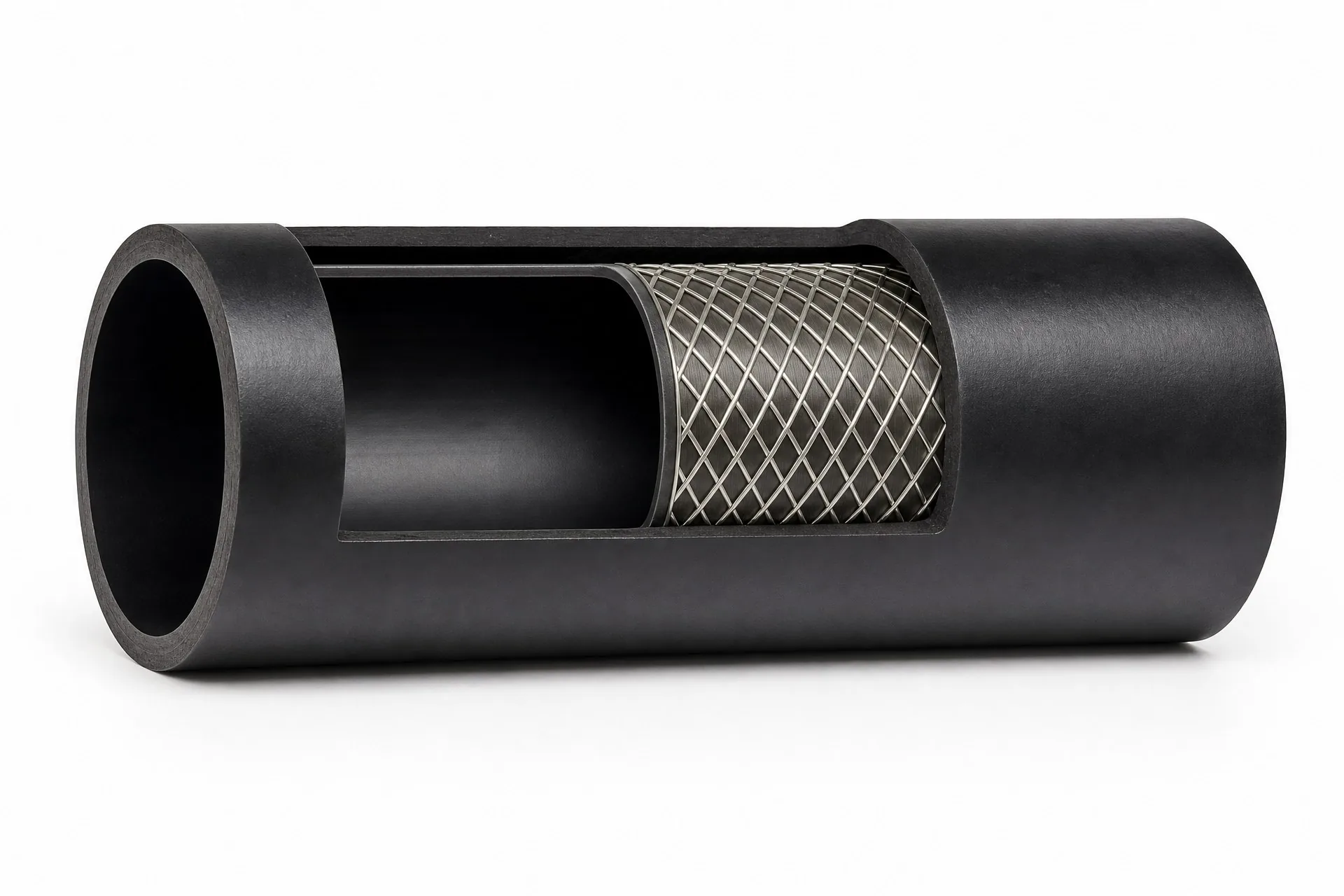
A steel mesh skeleton bonded inside a polyethylene wall. It carries several times the pressure of plain PE at the same diameter, and still coils and bends.
Tell us the size and quantity — price, lead time and loading plan back in one working day
Dial in the pressure class first, then the diameter. If you are unsure, send the working pressure and we will recommend the SDR.
Steel carries the pressure, PE carries the corrosion resistance
Plain PE at DN400 and PN16 needs a very thick wall — which costs weight and money. Bonding a steel mesh skeleton into the wall lets the same diameter hold the same pressure with much less plastic.
| Requirement | Plain PE100 | SRTP |
|---|---|---|
| High pressure at large diameter | Very thick wall | Thinner wall, same PN |
| Corrosion resistance | Full | Full (PE inner and outer) |
| Coiling | Good to DN250 | Good to DN250 on request |
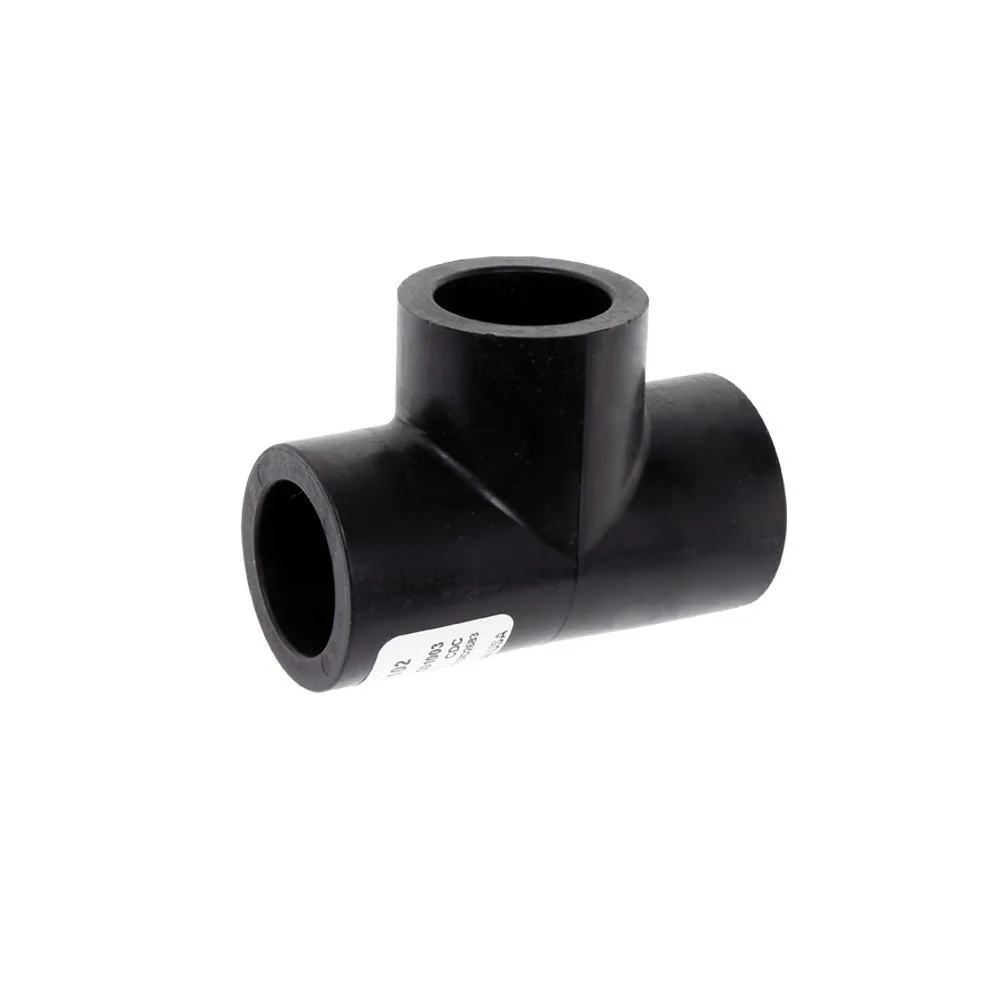
| Field repair | Cut and refit | Needs the correct coupling — plan spares |
| Price per metre | Lower at small sizes | Lower at high pressure / large size |
Pressure classes, coil lengths and coupling types are quoted per project; SRTP is not a drop-in substitute for PE at every size, and above DN250 the economics usually favour it.
Where SRTP earns its price
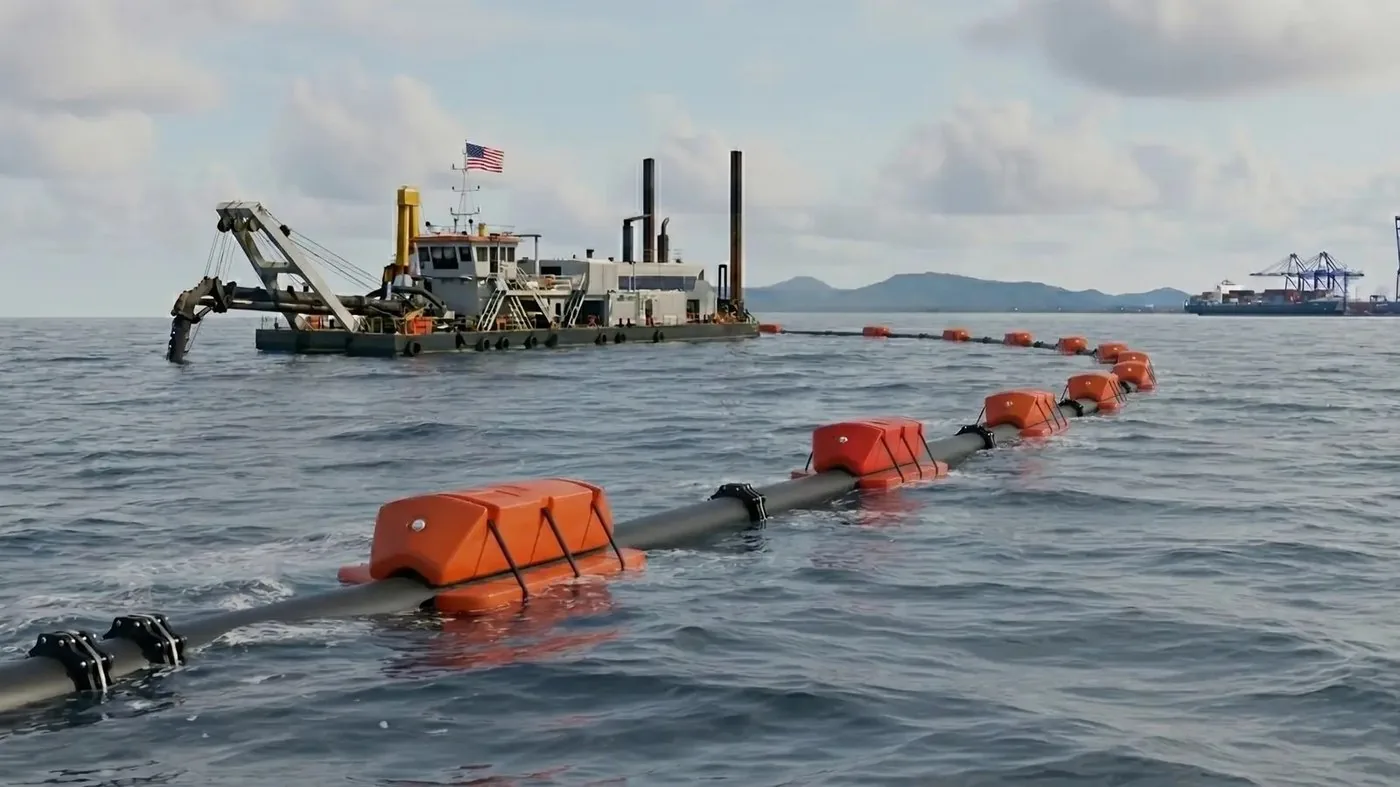
- Mine dewatering with long vertical lifts
- High-head irrigation and pump discharge
- Slurry lines where pressure is high and diameter is large
- Replacing steel lines in corrosive ground
What must be specified
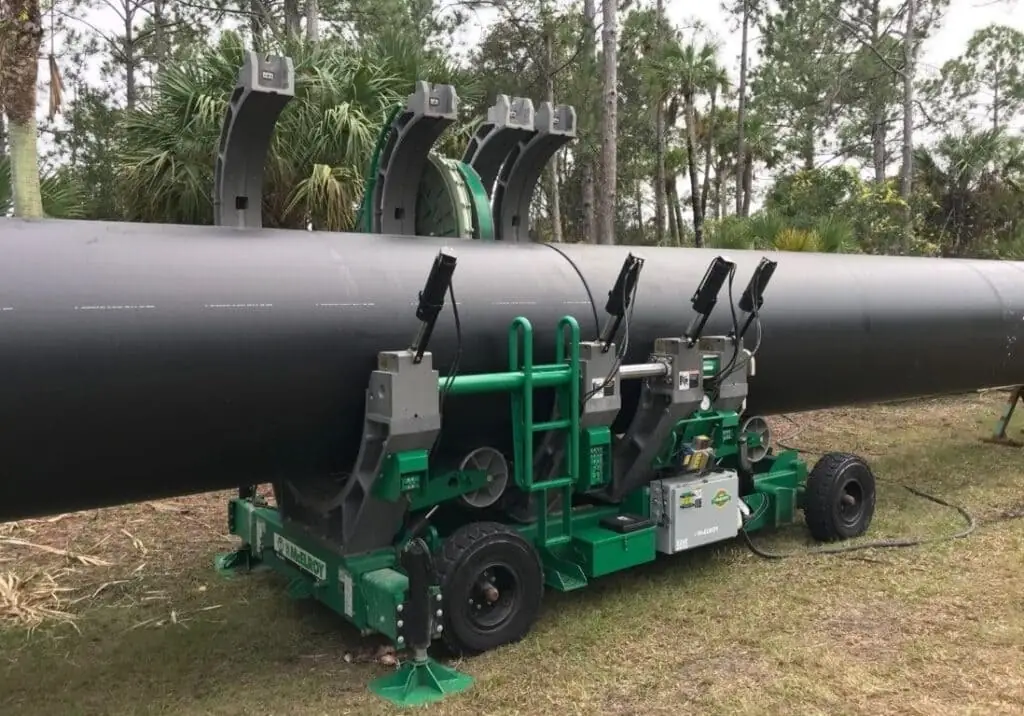
Working pressure, diameter, the fluid (abrasive or not) and the jointing method on site. Couplings are the weak point of any composite line — quote them with the pipe, not after.
Send pressure, diameter and fluid
SRTP is quoted against a duty point, not a catalogue page.
Questions on this product
Is SRTP the same as SRPE?
Largely the same family of composite pipe; naming differs between markets. State the standard and we quote to it.
Can it be coiled?
Yes to DN250 on request; larger sizes ship straight or in sections.
What jointing is used?
Electrofusion couplings or flanged ends, depending on diameter and site equipment.
What is the MOQ?
Confirmed on quotation — made to order.]