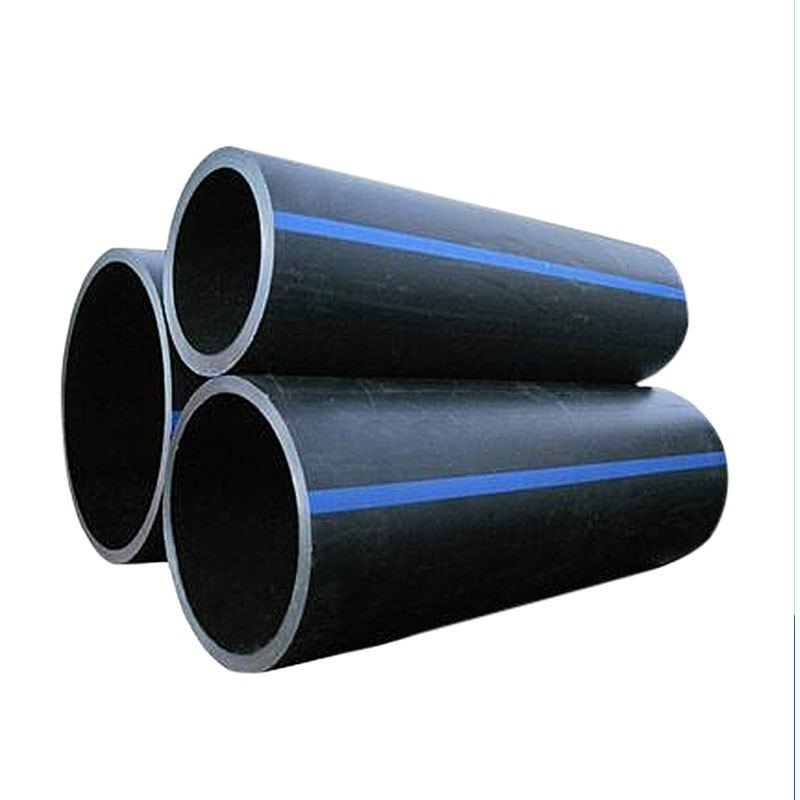
HDPE Dredging Pipe
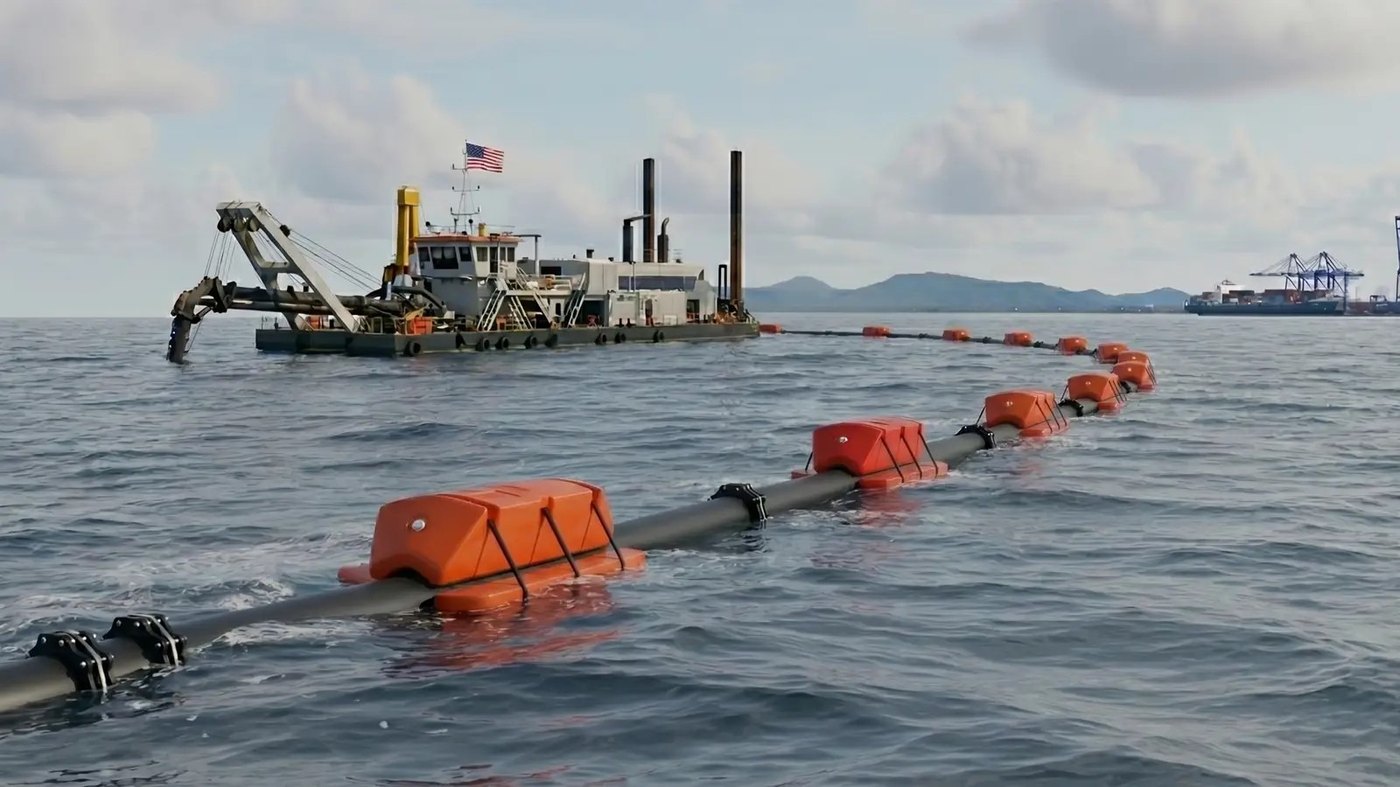
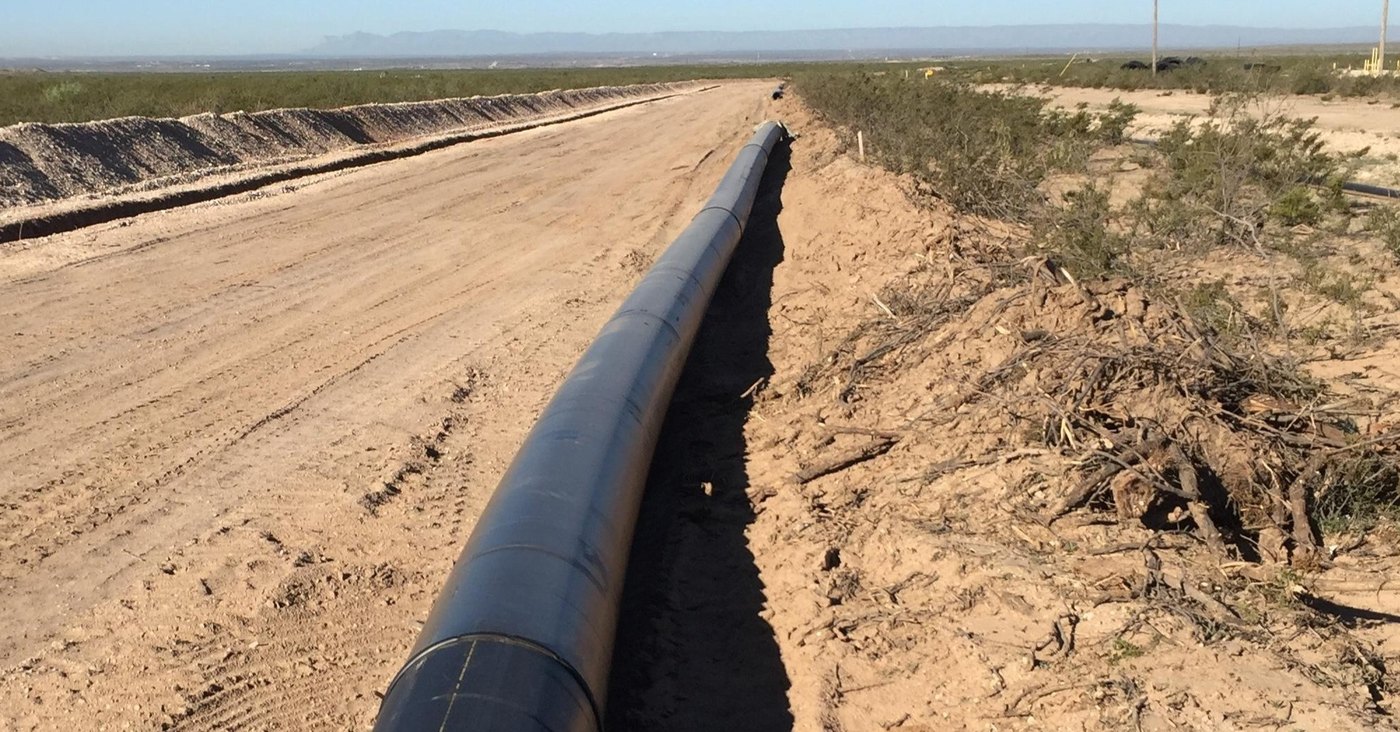
Flanged dredge sections with a wear allowance on the wall, plus bolt-on floaters for the floating run and plain sections for the bottom-laid sinker line.
Tell us the size and quantity — price, lead time and loading plan back in one working day
Dial in the pressure class first, then the diameter. If you are unsure, send the working pressure and we will recommend the SDR.
Three parts to a dredge line: floater, sinker, wear
The floating run carries floaters spaced to the weight of the pipe full of slurry; the sinker run is bottom-laid plain pipe; the discharge end takes the wear.
| Size | Typical class | Where it is used |
|---|---|---|
| DN200 | PN10 | Sinker line / short discharge |
| DN250 | PN10 | Sinker line |
| DN315 | PN10 | Sinker line, booster connection |
| DN400 | PN16 | Main discharge, higher head |
| DN500 | PN16 | Main discharge |
| DN630 | PN16 | Long discharge runs |
| DN800 | PN10 | Large cutter suction dredger |
| DN1000 | PN10 | Large cutter suction dredger |
Sizes and pressure classes are the configurations we quote most; flange drilling standard, section length and floater spacing are confirmed against your dredger and pumping head.
Floaters — how many
Spacing is set by the submerged weight of the pipe filled with slurry, plus the weight of the floaters themselves. Send the slurry density and pipe diameter and we return a spacing plan rather than a guess.
What decides the price
- Flange standard and drilling (DIN, ANSI, or your drawing)
- Wall thickness / wear allowance
- Number of floaters and their shell thickness
- Section length — deck length limits handling on board
Send dredger type, head and slurry density
Attach the flange drawing if you have one — it removes the usual back-and-forth.
Questions on this product
Do you supply the floaters separately?
Yes, floaters can be quoted on their own if you already have the pipe; send the pipe OD and the slurry density for spacing.
Which flange standard?
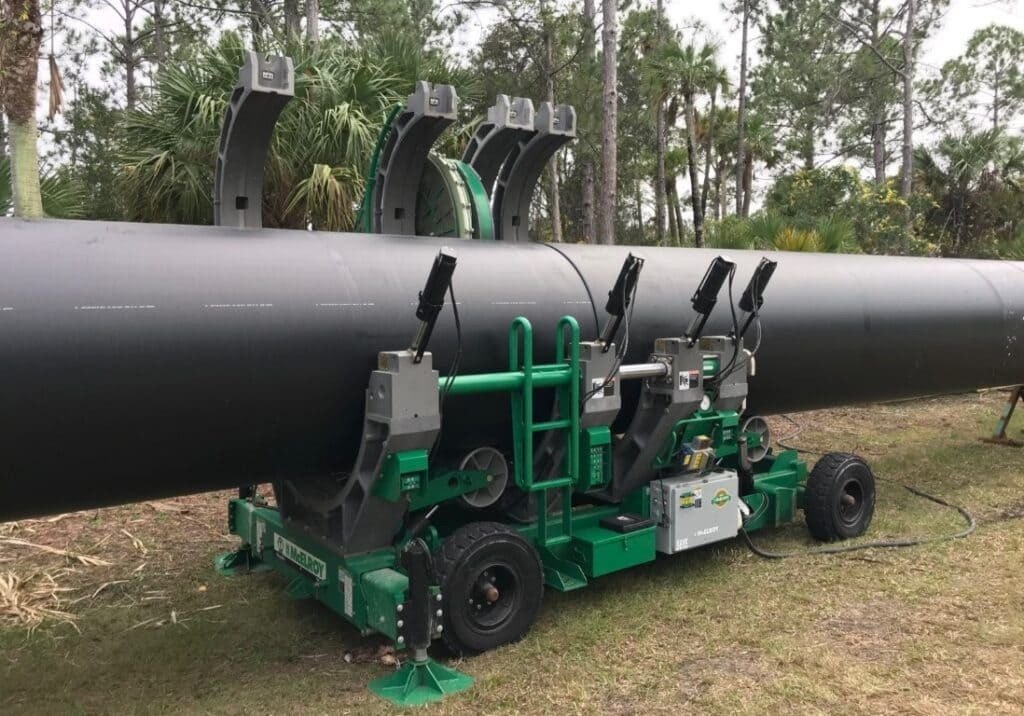
Drilled to DIN or ANSI, or to your drawing. Flange and stub end are fused to the section before shipment.
Can the wall be thicker for wear?
Yes — one or two SDR steps up, or an explicit wear allowance, depending on the solids.
What is the lead time?
[To confirm — flanged dredge sections are made to order.]