HDPE Pipe Fittings
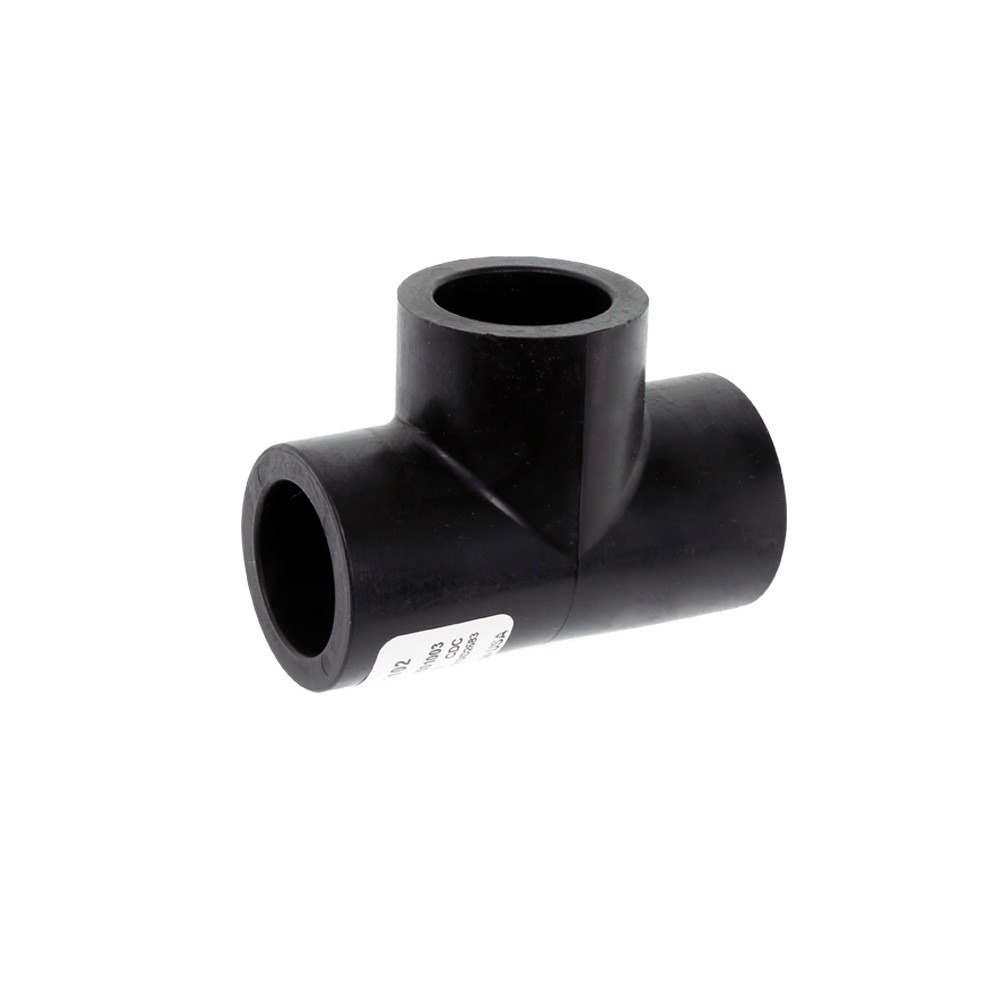
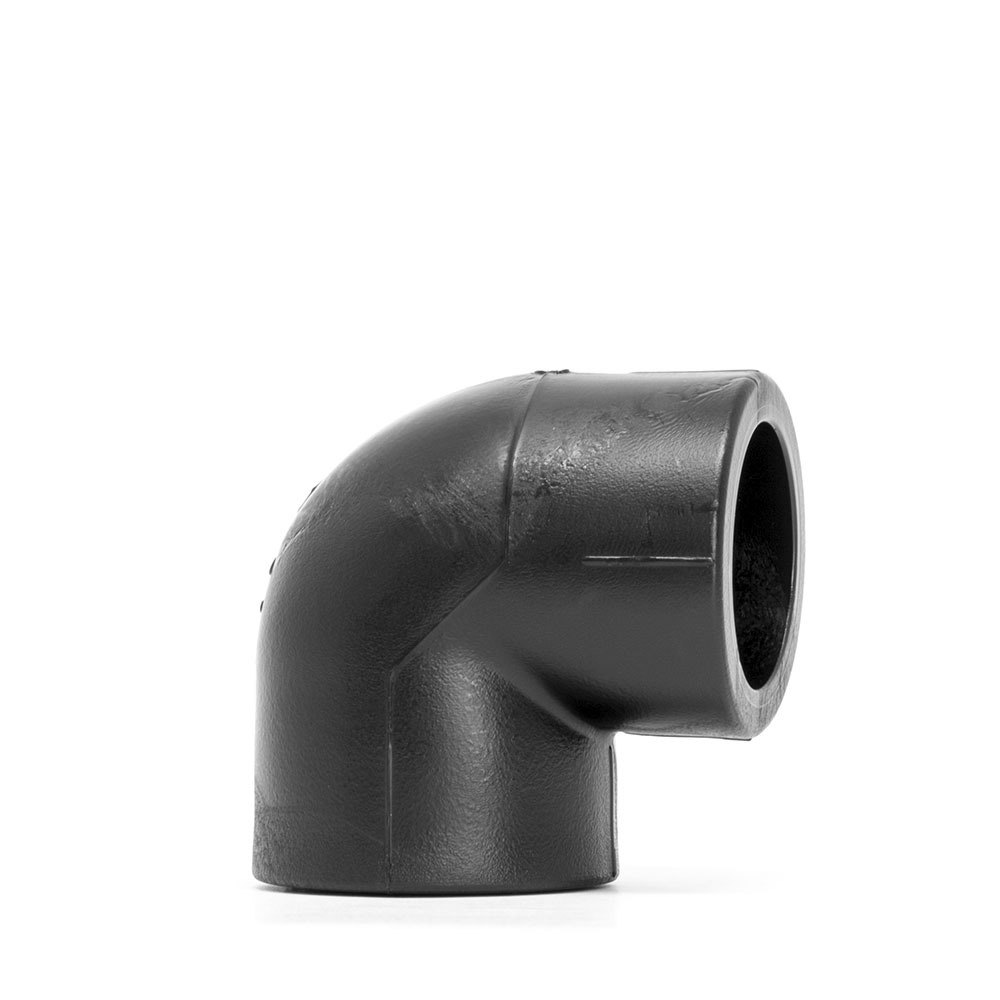
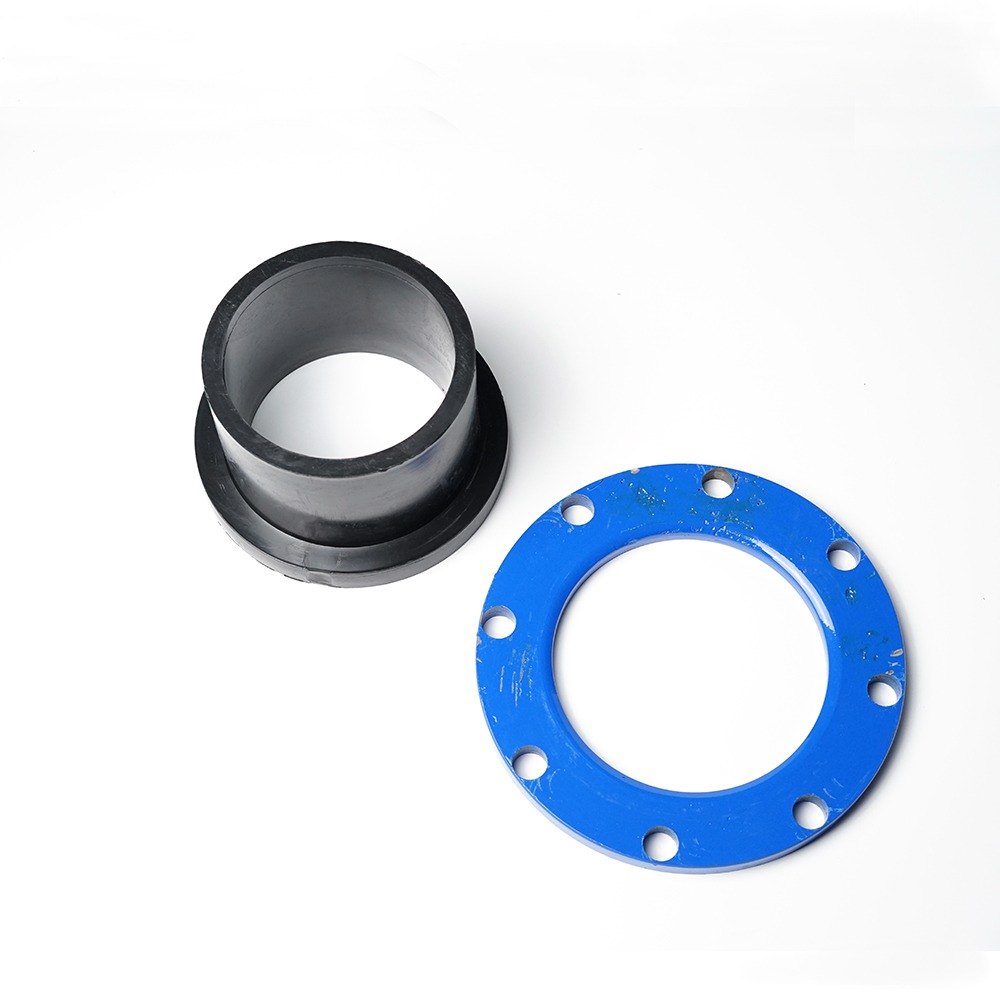
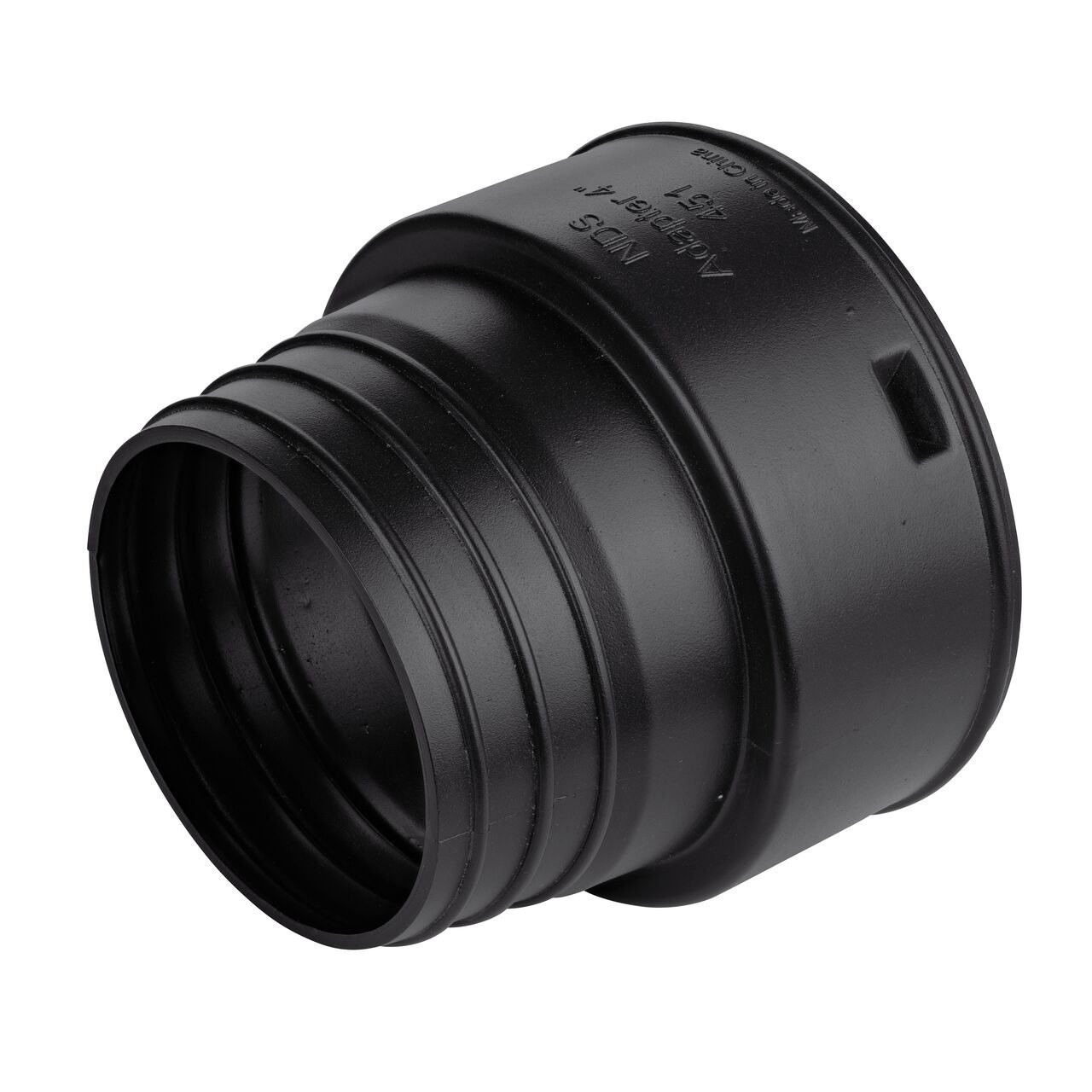
Butt-fusion and electrofusion fittings matched to the pipe family — elbow, tee, reducer, end cap, stub end, backing flange, coupler and saddle.
Tell us the size and quantity — price, lead time and loading plan back in one working day
Dial in the pressure class first, then the diameter. If you are unsure, send the working pressure and we will recommend the SDR.
Fitting types and size range
Fittings are matched to the SDR of the pipe they join — a PN16 tee on a PN10 line is a mismatch, not an upgrade.
| Fitting | Size range | Jointing |
|---|---|---|
| 90° elbow | DN63–800 | Butt fusion |
| 45° elbow | DN63–800 | Butt fusion |
| Equal tee | DN63–800 | Butt fusion |
| Reducing tee | DN90–630 | Butt fusion |
| Concentric reducer | DN63–800 | Butt fusion |
| End cap | DN63–800 | Butt fusion |
| Stub end + backing flange | DN63–800 | Butt fusion |
| Flange adaptor | DN63–800 | Butt fusion |
| Electrofusion coupler | DN20–630 | Electrofusion |
| Electrofusion elbow | DN20–400 | Electrofusion |
| Electrofusion tee | DN20–400 | Electrofusion |
| Electrofusion saddle | DN63–630 | Electrofusion |
Ranges shown are the standard production range we quote; exact spigot length and SDR availability per type is confirmed with the datasheet for the size you need.
How to specify a fitting order
- Pipe OD and SDR
- Fitting type and angle
- Quantity, including 3–5% spare for site cuts
- Whether the run is above ground (UV) or buried
Electrofusion traceability
EF fittings carry a barcode that the control unit reads to pull the weld parameters — the unit log then gives you a per-joint record, which is what utilities ask for at handover.
Send fitting list with pipe OD and SDR
A photo of the joint or a marked-up drawing is enough for us to build the list.
Questions on this product
Can I order fittings only, without pipe?
Yes, fittings ship on their own. For project orders we usually consolidate them with the pipe to save a container.
Do fittings have to match the pipe SDR?
Yes. The fitting must carry the same SDR/pressure class as the pipe; mixing classes creates a weak point.
Are electrofusion fittings traceable?
EF fittings carry a barcode read by the control unit, giving a per-joint weld record.
What is the MOQ?
[To confirm — fittings are usually quoted by carton plus a mixed pallet.]