PVC-M Pipe
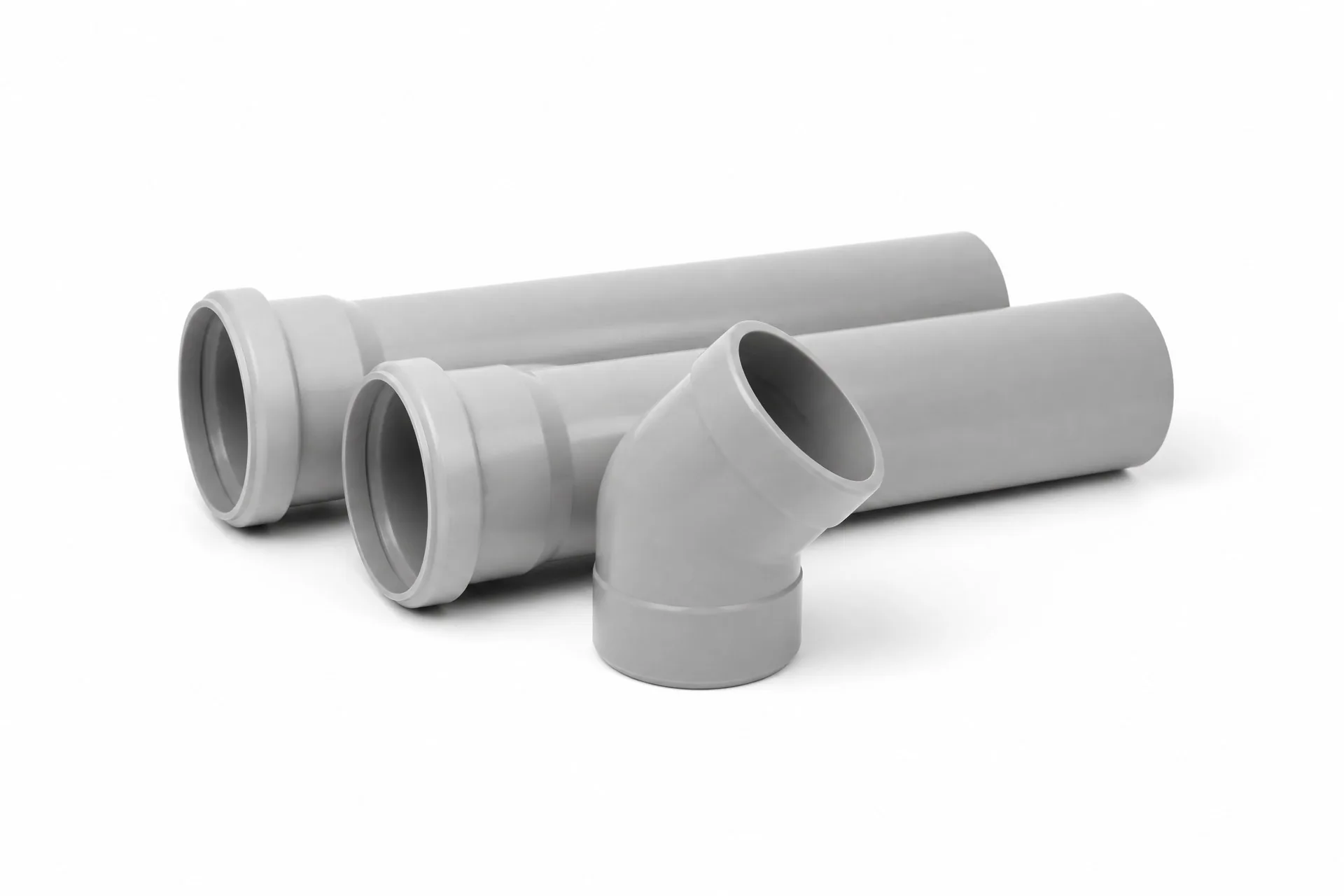
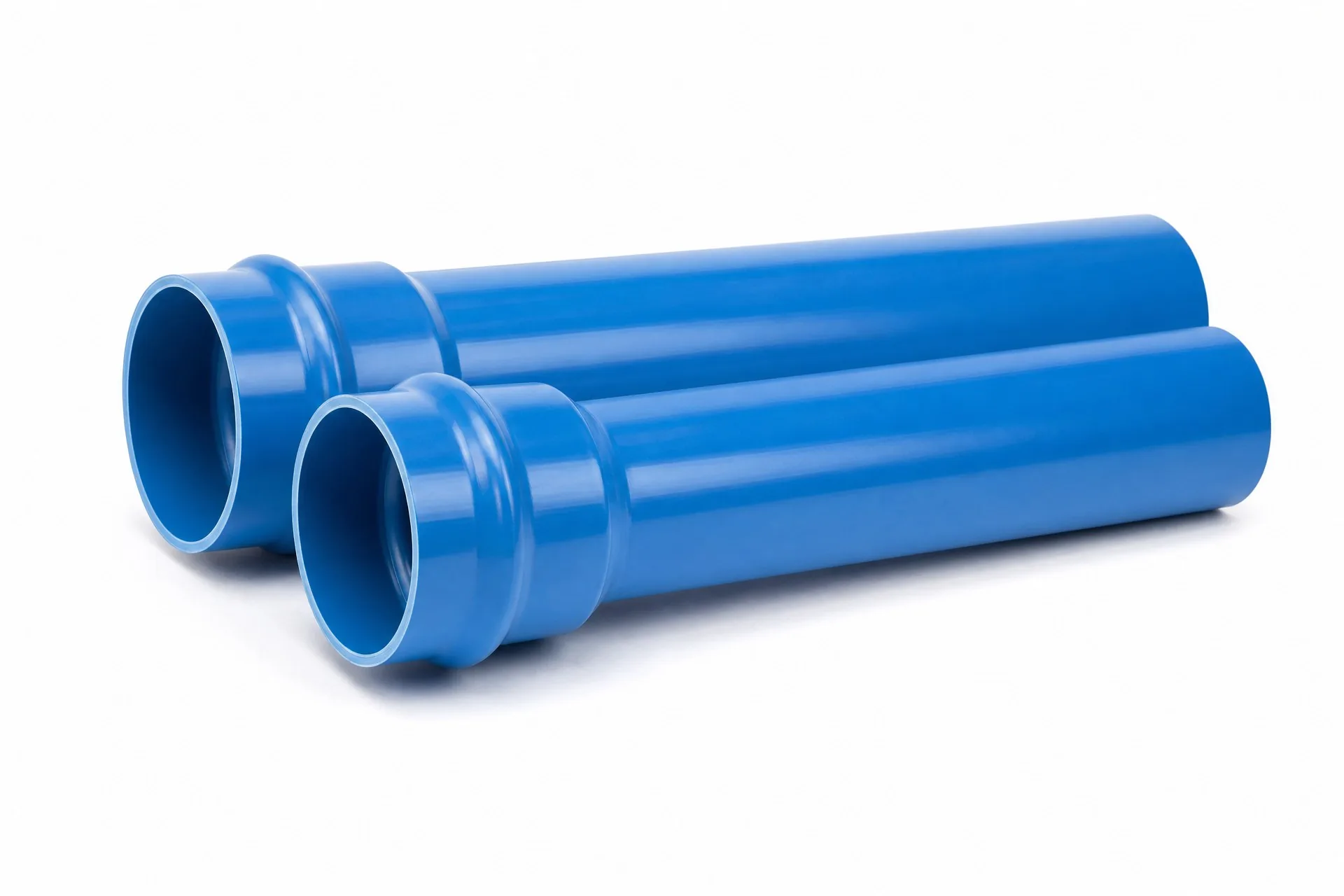
PVC-M keeps the uPVC installation habit but adds impact resistance, which matters on rocky ground, in cold weather, and wherever handling is rough.
Tell us the size and quantity — price, lead time and loading plan back in one working day
Dial in the pressure class first, then the diameter. If you are unsure, send the working pressure and we will recommend the SDR.
Same joint, fewer breakages
uPVC fails in a brittle way: a knock during handling or a point load in rocky backfill can start a crack that shows up months later as a burst.
| Situation | uPVC | PVC-M |
|---|---|---|
| Rocky or stony backfill | Risk of point-load cracking | Tolerates better |
| Cold-weather handling | Brittle | More forgiving |
| Traffic loading with poor bedding | Risk | Lower risk |
| Price | Lower | Slightly higher |
Neither material replaces proper bedding and side support; PVC-M reduces the consequence of a bad patch, it does not remove the requirement.
Choices on a buried main
- uPVC: cheapest, fine in sand and clean trenches
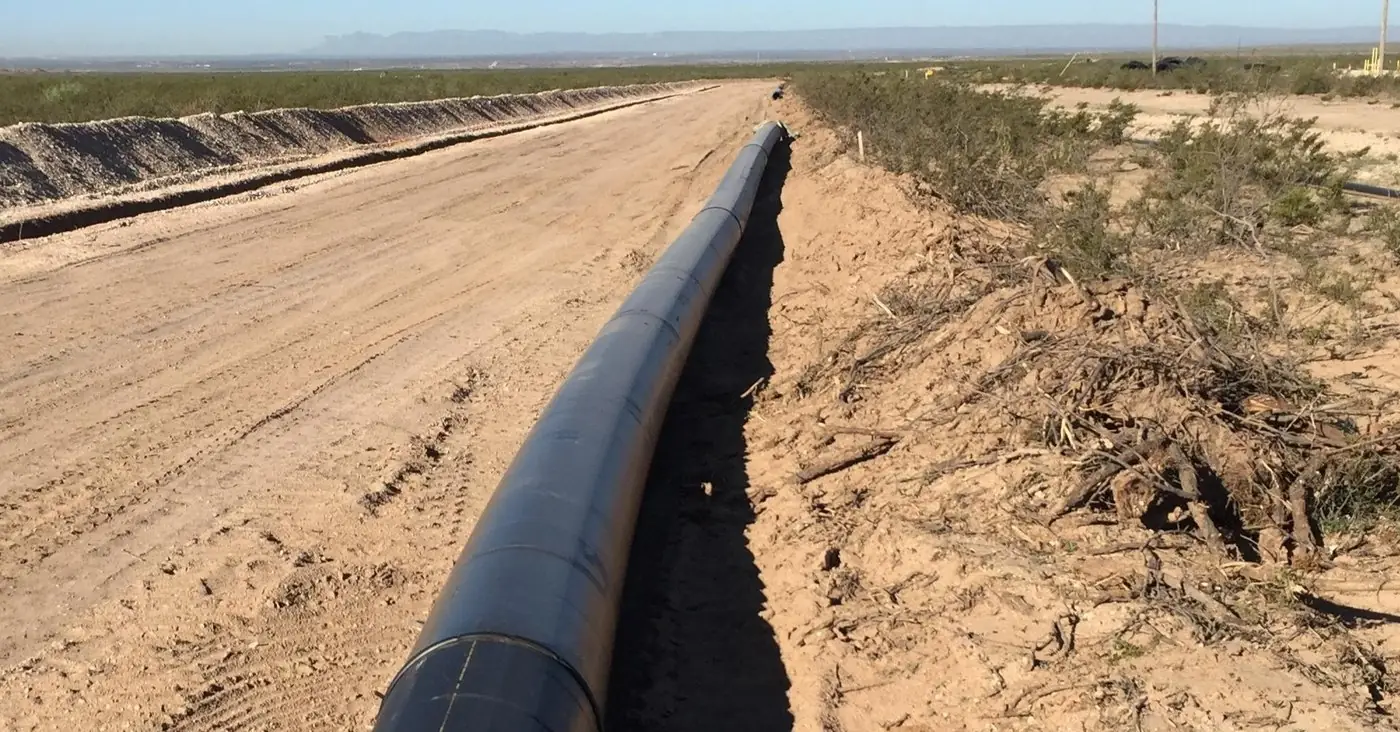
- PVC-M: rocky ground, cold climate, rough handling
- PVC-O: pressure and flow critical
- PE: movement, trenchless, or long coils
Joining
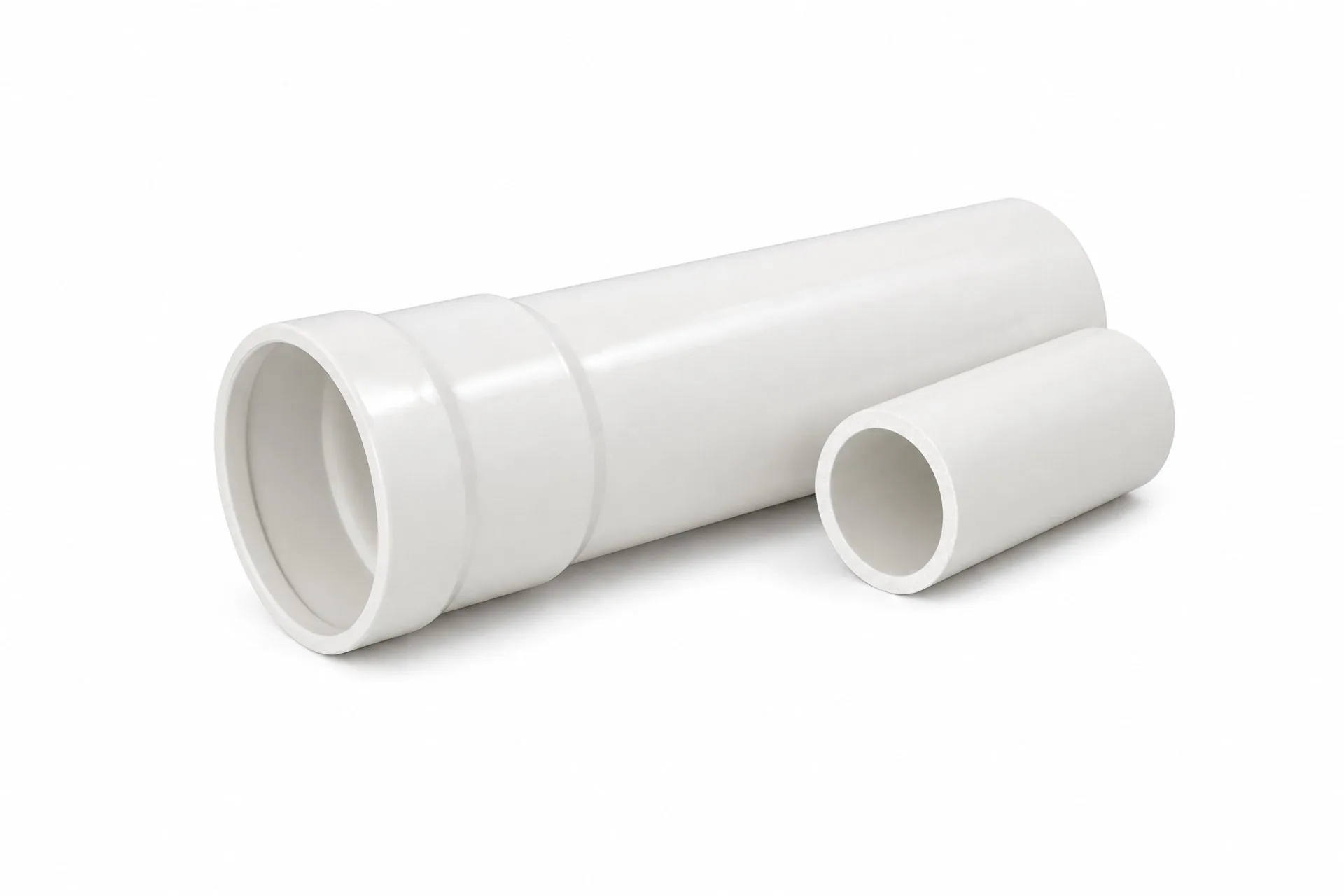
Rubber-ring sockets make up fast in the trench and tolerate slight deflection at bends — the main reason PVC-M lines go in quicker than cemented uPVC.
Send the ground conditions
Rock, cold, or heavy traffic — each pushes the choice differently.
Questions on this product
PVC-M or uPVC?
If the trench is clean and handling is careful, uPVC is cheaper. If the ground is stony or the weather is cold, PVC-M costs a little more and breaks a lot less.
Is it the same as PVC-O?
No. PVC-M is impact modified uPVC; PVC-O is oriented for strength. Different wall, different price.
Do you supply fittings?
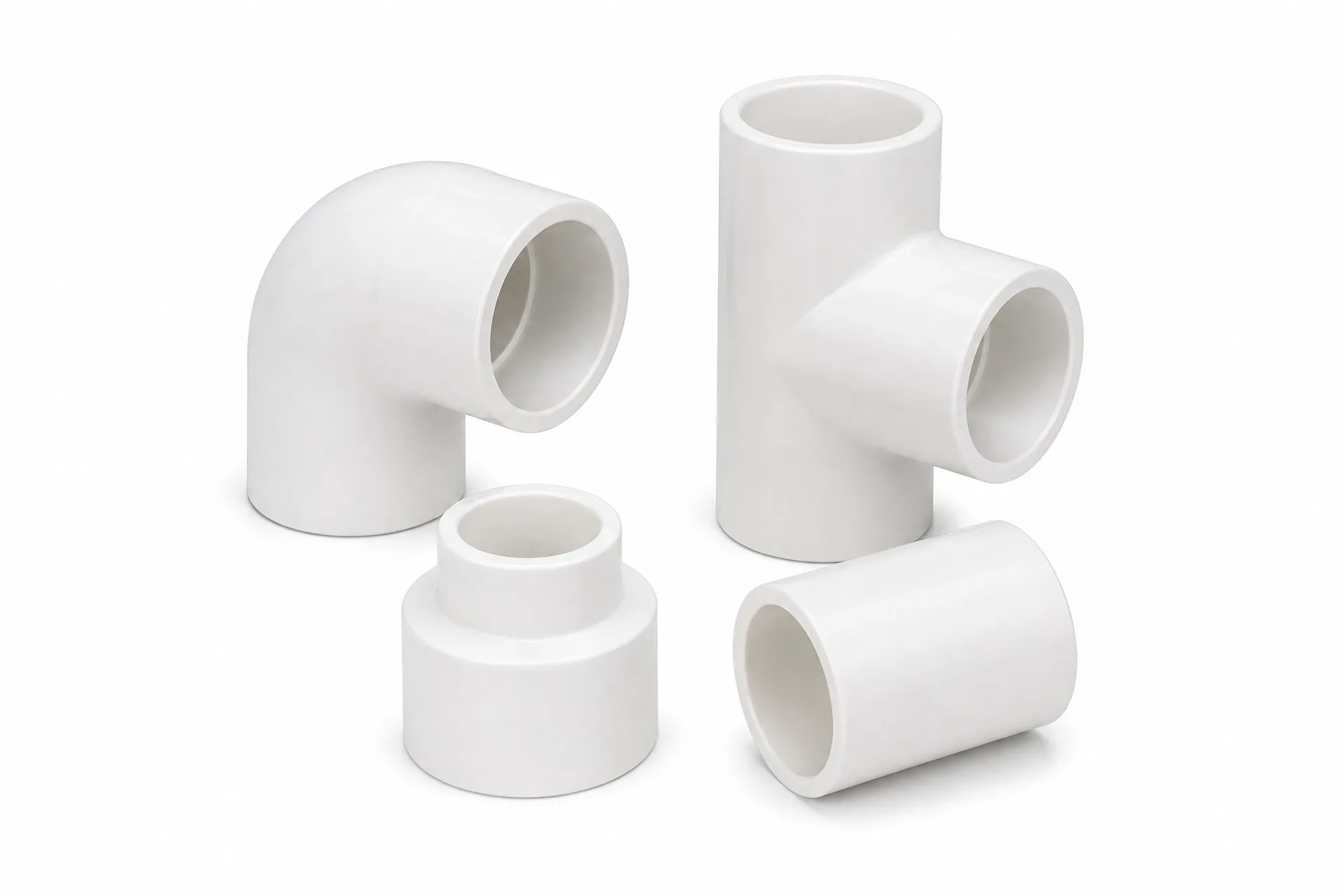
Rubber-ring and solvent-weld fittings are quoted with the pipe.
What is the MOQ?
Confirmed on quotation.]