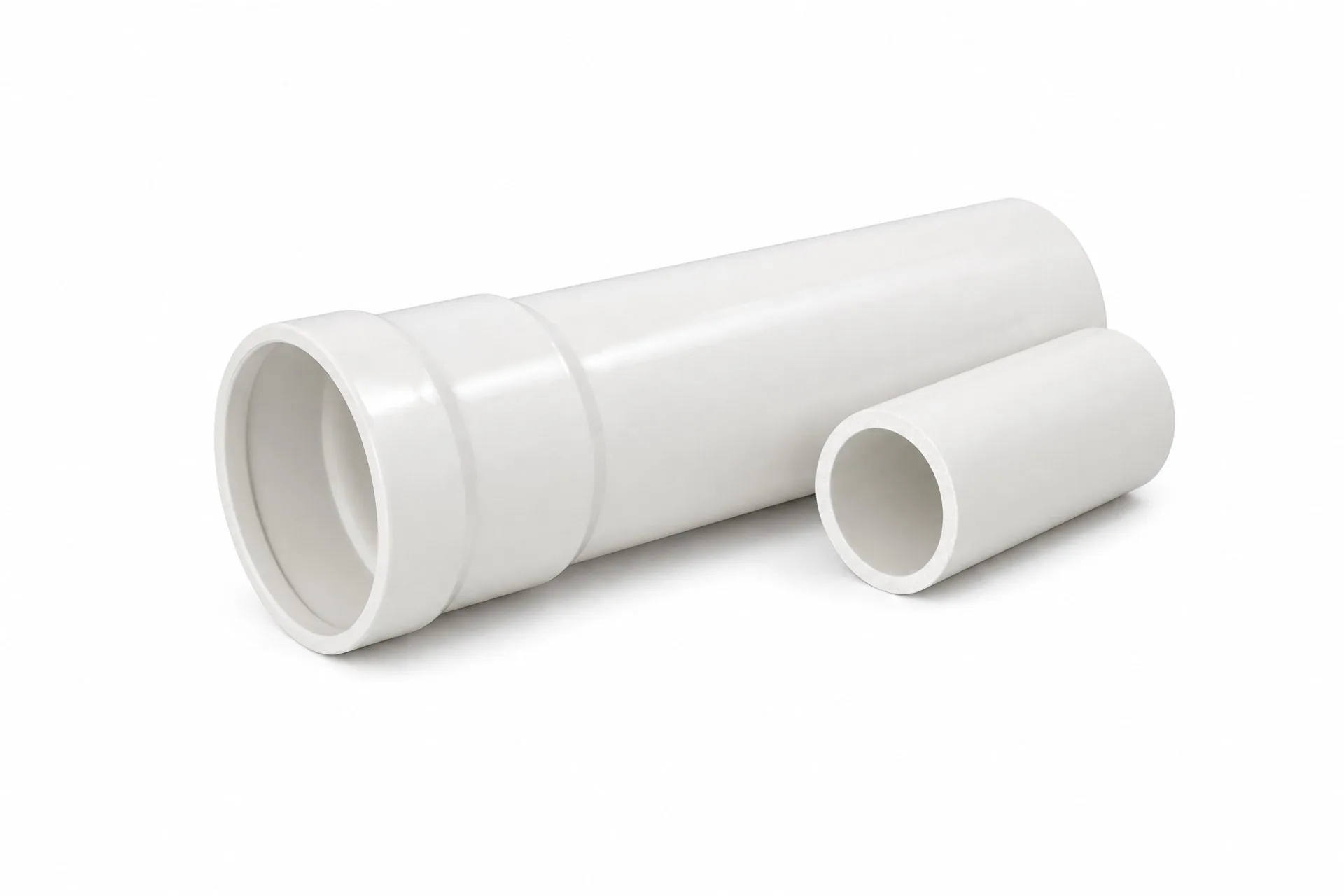
PPR Pipe
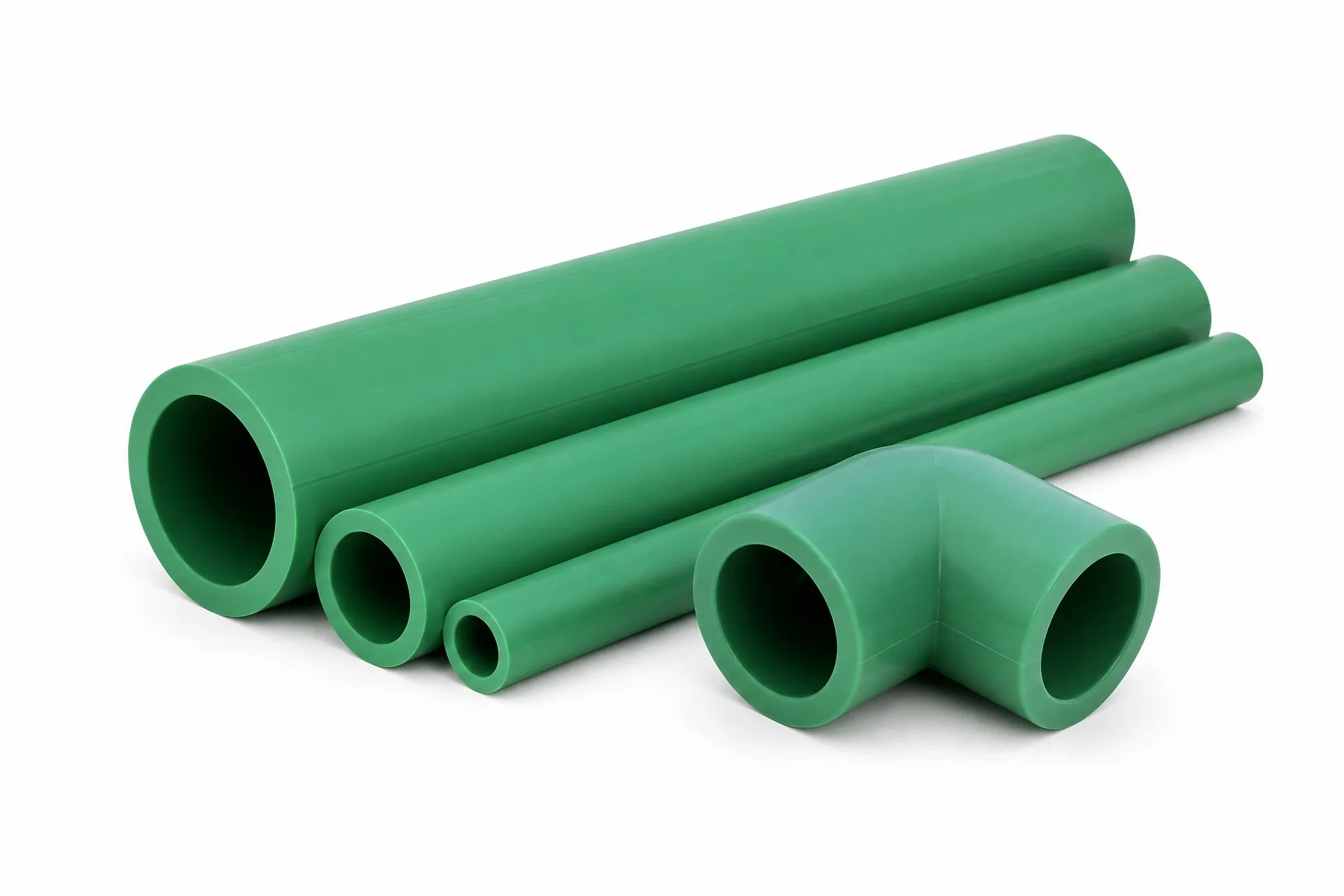
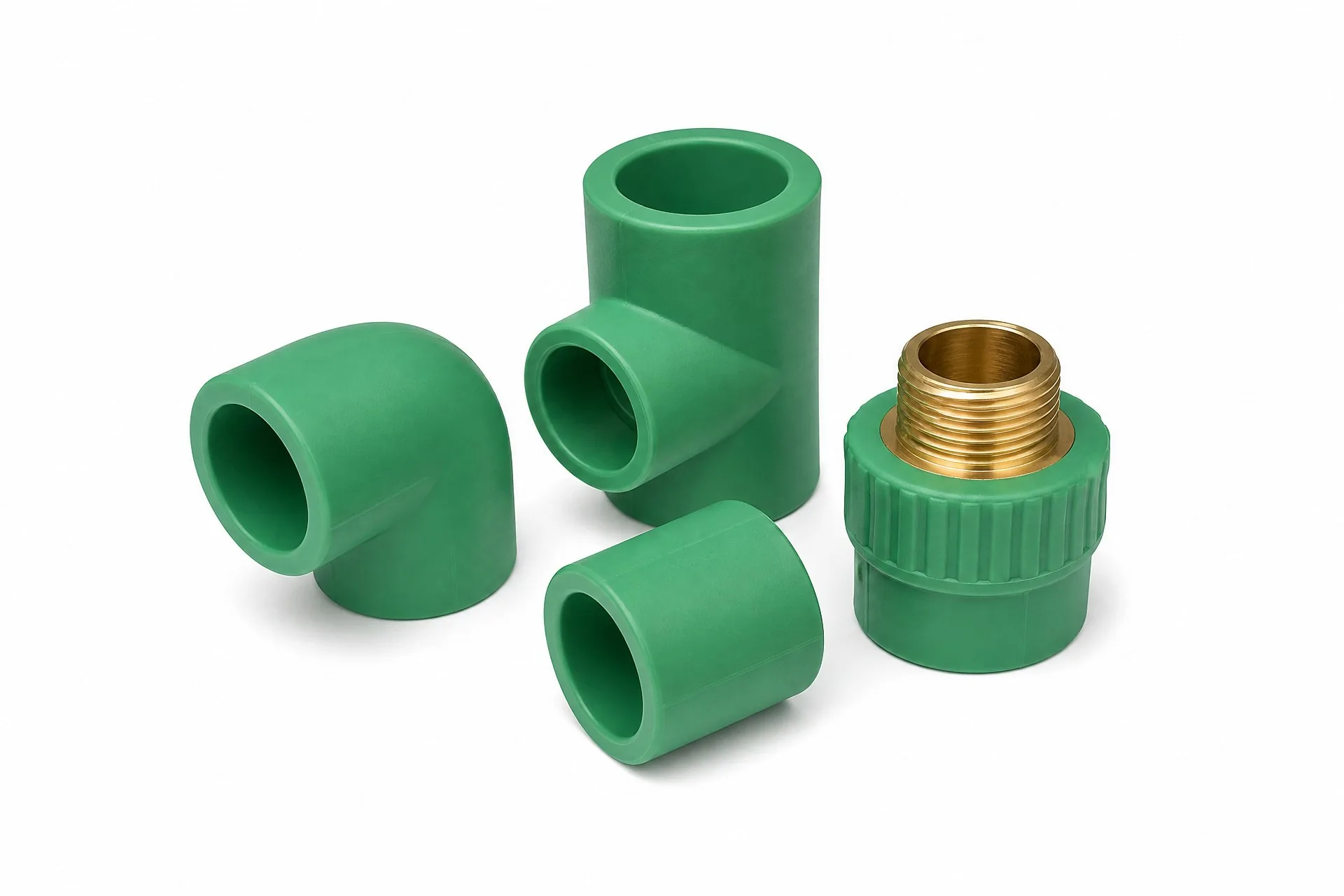
Polypropylene random copolymer pipe for hot and cold building services. Fused joints that do not rely on cement, and a material that tolerates both temperatures and slight movement.
Tell us the size and quantity — price, lead time and loading plan back in one working day
Dial in the pressure class first, then the diameter. If you are unsure, send the working pressure and we will recommend the SDR.
PPR is sold by wall class, and the wall is visible
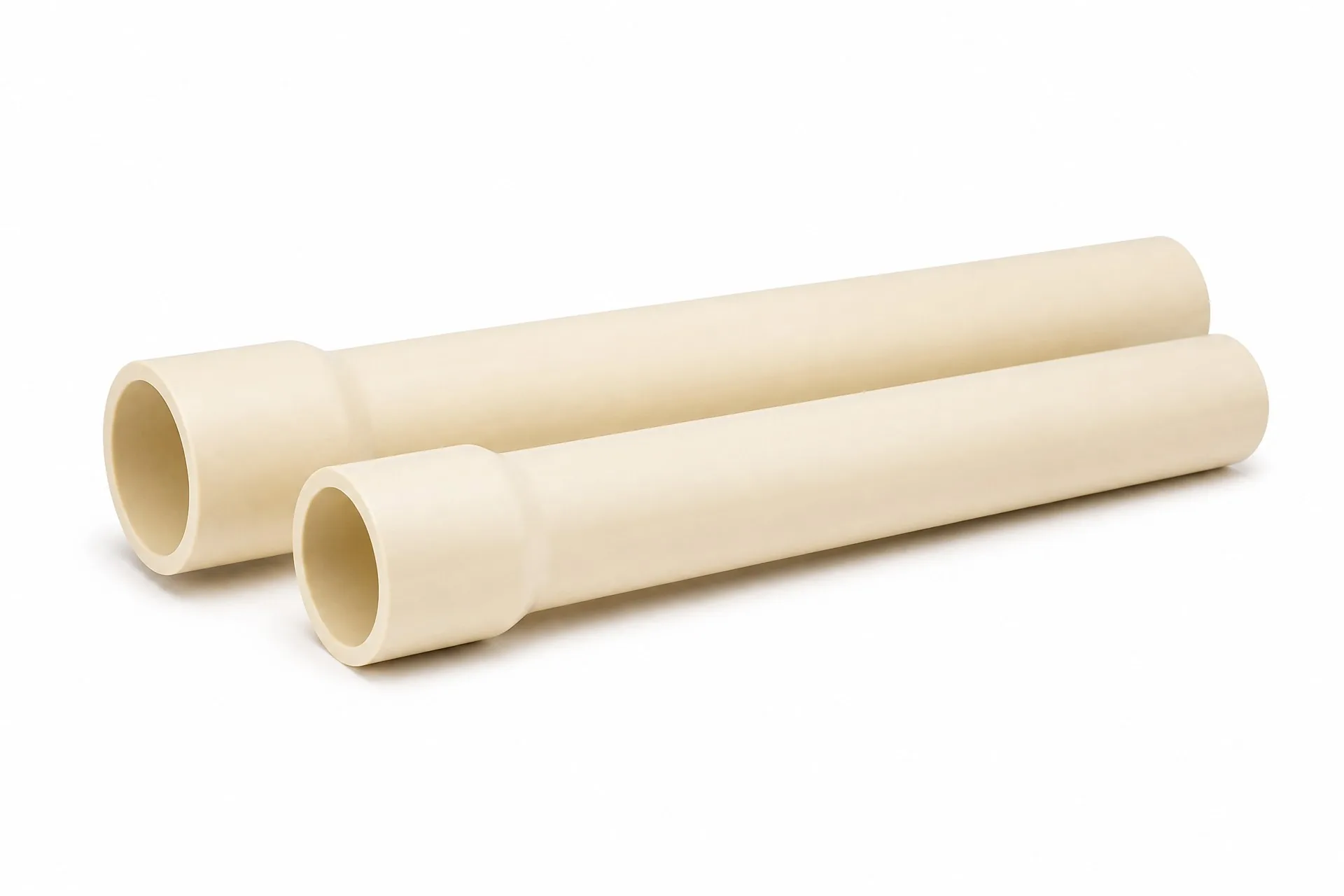
Unlike cement-jointed systems, a PPR joint is fused — so the wall thickness must match on both sides or the bead will not form properly.
| Class | Typical service | Note |
|---|---|---|
| PN10 | Cold water distribution | Thinnest wall |
| PN16 | Mixed hot/cold risers | Common building class |
| PN20 | Hot water, higher temperature | Most quoted export class |
| PN25 | High-temperature or high-pressure | Industrial |
Sizes and wall thickness per class follow DIN 8077/8078; state the standard if your market uses a local equivalent.
Fusion, not cement
The pipe and fitting are heated on a 260 °C tool and pushed together, so the joint becomes one material. That is why PPR handles hot water better than cemented systems and why the fusion time depends on wall thickness.
Where it is the right answer
- Domestic hot and cold risers
- Hospital and hotel bathroom groups
- Compressed air in workshops
- Not for direct burial under heavy traffic without protection
Send the building schedule
Riser diameters plus the number of bathroom groups is enough to price a project.
Questions on this product
PPR or PEX?
PPR is rigid and fused, PEX is flexible and crimped. For exposed risers and manifold-free layouts PPR is easier to inspect.
Can it take 90 °C?
PN20 handles normal domestic hot water; for continuous high temperature state the duty and we quote PN25.
Do you supply the fusion tool?
Yes — socket fusion tools and spare heating elements can be quoted with the pipe.
What is the MOQ?
Confirmed on quotation.]